About COVID-19 (Coronavirus)
The Coronavirus is made up of an outer fatty membrane that holds the virus together and generally that membrane can be easily dismantled and ultimately ineffective with just soap and warm water. The soap and water will breakdown the fatty membrane and once the membrane is broken the virus will fall apart and no long be a threat. Please keep in mind that viruses cannot be “killed” as they are not alive to begin with.
 The Coronavirus (COVID-19) is an infectious disease caused by severe acute respiratory syndrome Coronavirus2 SARS-CoV-2. The virus is primarily spread between people during close contact most often via small droplets produced by coughing sneezing or talking. The droplets usually fall onto surfaces rather than traveling through the air over long distances although in some cases they may remain airborne for tens of minutes.
People may become infected by touching a contaminated surface and then touching their face, though that is not a common way of getting the disease. It is most contagious during the first 72 hours after the onset of symptoms, although spread is possible before symptoms appear and from people who do not show symptoms which is the tricky part of this disease. Frequent hand washing, social distancing, quarantine, covering coughs and keeping your hands away from your face are recommended measures to prevent the infection. Health officials recommend a cloth face covering and medical grade face masks such as N95 mask or surgical mask, especially for healthcare workers and first responders. At this time, there are no vaccines or known specific antiviral treatments for the COVID-19. Management involves treatment of symptoms, supportive care, isolation, and experimental measures along with prevention.
How To Fight Against COVID-19
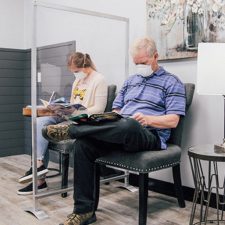 On January 30, 2020, the World Health Organization known as WHO declared the COVID-19 outbreak a public health emergency of international concern and a pandemic on March 11, 2020. The US Centers for Disease Control (CDC) recommends washing in soap and water for at least 20 seconds as the best way to clean your hands, in most situations. However, if soap and water is not available, a hand sanitizer that is at least 60% alcohol can be used instead unless hands are visibly dirty or greasy. CDC and FDA both recommend plain soap there is no evidence that antibacterial soaps are any better and limited evidence that it might be worse long term. Hand sanitizer is recommended against the covid-19 most hand sanitizer sold commercially in activates SARS-CoV-2 which causes the COVID-19.
Recommendations
The CDC also recommends that individuals wash hands often with soap and water for at least 20 seconds especially after going to the toilet or when hands are visibly dirty, before eating and after blowing one’s nose, coughing or sneezing. CDC further recommends using alcohol-based hand sanitizer with at least 60% alcohol but only when soap and water are not readily available. For areas where commercial hand sanitizers are not readily available, the WHO provides two formulations for local production in these formulations the antibacterial activity arises from ethanol or isopropyl, hydrogen peroxide is used to help eliminate bacterial spores in the alcohol and it is not an active substance for hand antisepsis, glycerol is added as a humectant. Those diagnosed with Covid or believe they may have been affected, are advised by the CDC to stay home except to get medical care. Call ahead before visiting a healthcare provider, wear a face mask before entering healthcare providers office and when in any room or vehicle with another person, cover coughs and sneezes with a tissue, Regularly wash hands with soap and water and avoid sharing personal household items.
The Levels Of Deep Cleaning
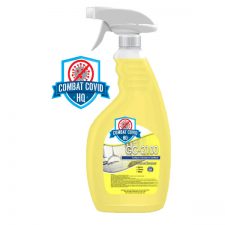 Sanitizing frequently touch surfaces is also recommended or required by regulation for business and public facilities. United States Environmental Protection Agency (EPA) maintains a list of products expected to be effective. Aquatech-USA and CombatCovidHQ.com provide products that are EPA listed to combat the Covid-19 virus. Deep cleaning has been suggested. I want to define levels of cleaning.
- Cleaning is to make clean or to make something or someone free of dirt, marks, or mess especially by washing, wiping, or brushing.
- Sanitize is to make clean and hygienic or disinfect.
- Disinfect is to clean something especially with a chemical in order to destroy bacteria.
- Sterilize is to make something free from bacteria or other living micro-organisms.
Cleaning a surface simply remove visible debris, dirt, and dust. Sanitizing a surface makes that surface sanitary or free of visible dirt contaminants that could affect your health. Sanitizing is meant to reduce not “kill” the occurrence or growth of bacteria, viruses, or fungi. Disinfecting a surface will “kill” the microscopic organisms as claimed on a label of a particular product.
Cleaning something is level one. The next step or level would be sanitizing which would reduce the number of bacteria present by 99.9%. Disinfecting would be the next level of removal at 99.99% and sterilizing would be 100%.
Using The Right Products Against Coronavirus
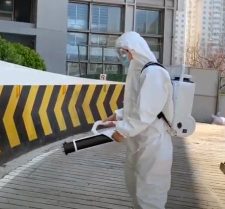 Some of the concerns today are how people are using certain products or some false hopes and what is actually effective on cleaning surfaces. Most chemicals are used for only hard surfaces and not soft surfaces or cloth surfaces. A lot of times when using disinfectants or sanitizers the correct process is to spray or wipe a surface and leaving the surface wet for a period of time which can vary from 2 minutes to 10 minutes and either let the product dry or wiping the surface after the allotted time. Unfortunately, what seems to be happening is people will not apply the disinfectant correctly. They will spray a surface with a disinfectant and then immediately wipe the surface dry of the product which then results in not allowing the product to properly sanitize and disinfect that surface. The best way to correct this issue and a key part of deep cleaning is to simply follow instructions of how a product should be applied and for how long it needs to dwell. Even knowing the proper procedures on how to operate any of the cleaning equipment needs to be followed so that the surfaces will be disinfected correctly. So it’s important to make sure you are being properly trained by a manufacture representative on the procedures of operation, safety and maintenance of the products. Combat Covid HQ offers many different types, varieties and levels of deep cleaning, sanitizing, and disinfecting products and services. We offer assortments of hand soaps, antibacterial soaps, alcohol based hand sanitizers, dry vapor steamers using steam as a sanitizer. We also offer PPE products like face masks, face shields, disposable nitrile gloves, disposable overalls, safety equipment, safety goggles, safety masks, hand wipes, electrostatic sprayers, mister sprayers, steam cleaners, dry vapor steamer, hot water pressure washers, among other equipment to help combat this deadly virus. Combat Covid HQ wants to make sure are products are domestically made when available to help rid the world of this virus. Stay Safe and Stand Strong.
Current evidence suggests that novel coronavirus may remain viable for hours to days on surfaces made from a variety of materials. Cleaning of visibly dirty surfaces followed by disinfection is a best practice measure for prevention of COVID-19 and other viral respiratory illnesses in households and community settings.